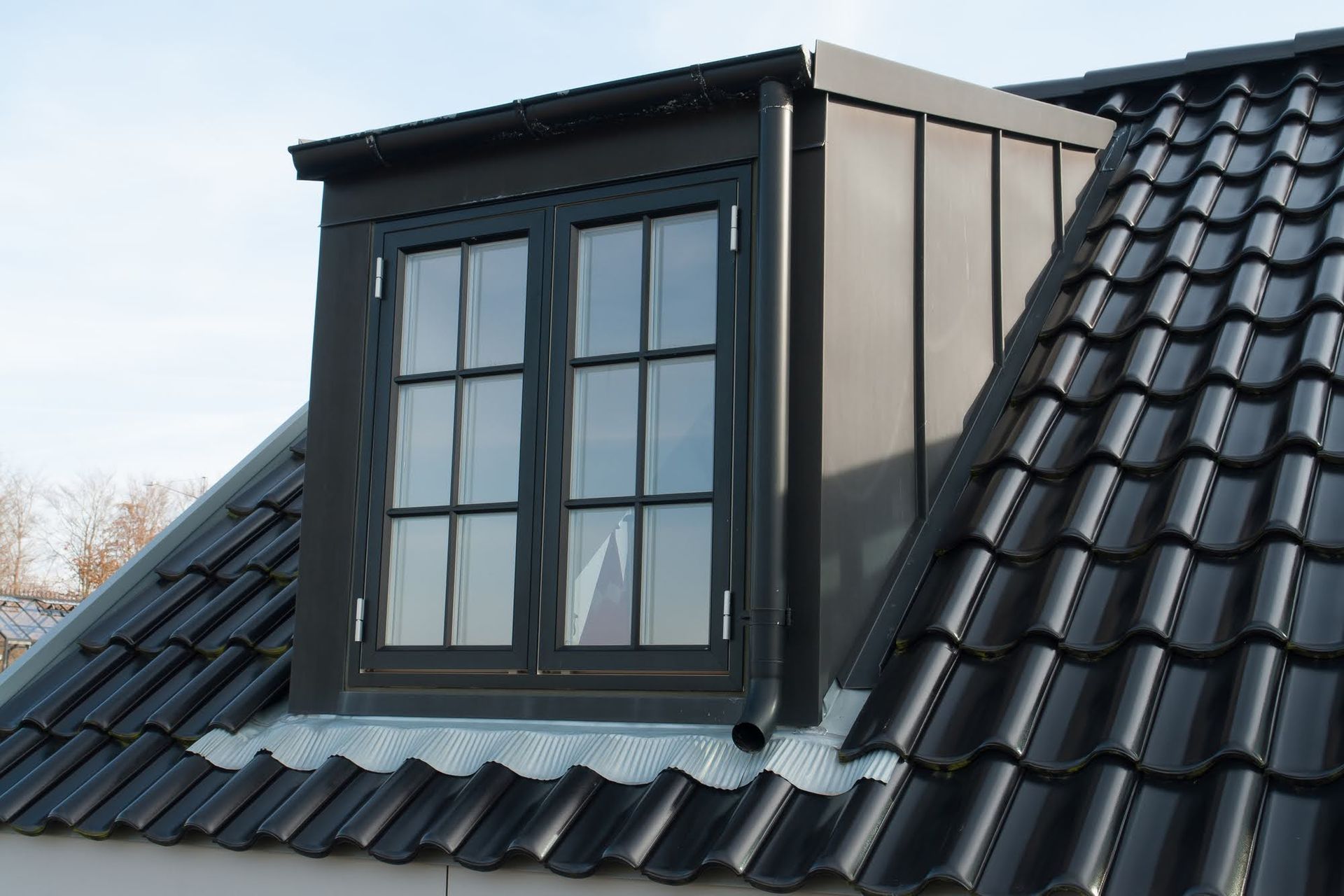

Does Homeowners Insurance Cover Roof Repair in Columbus, OH? What You Need to Know in 2026
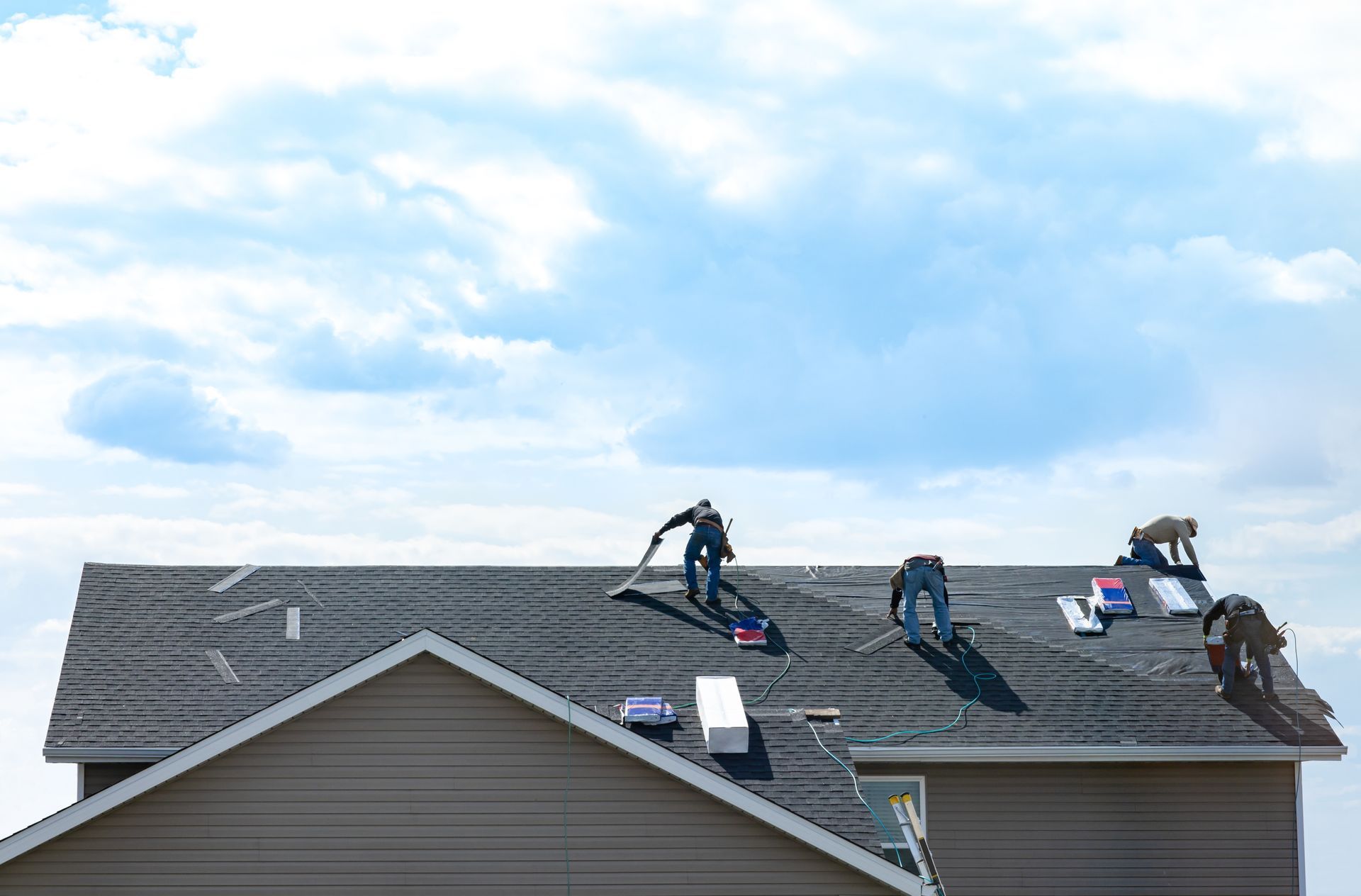
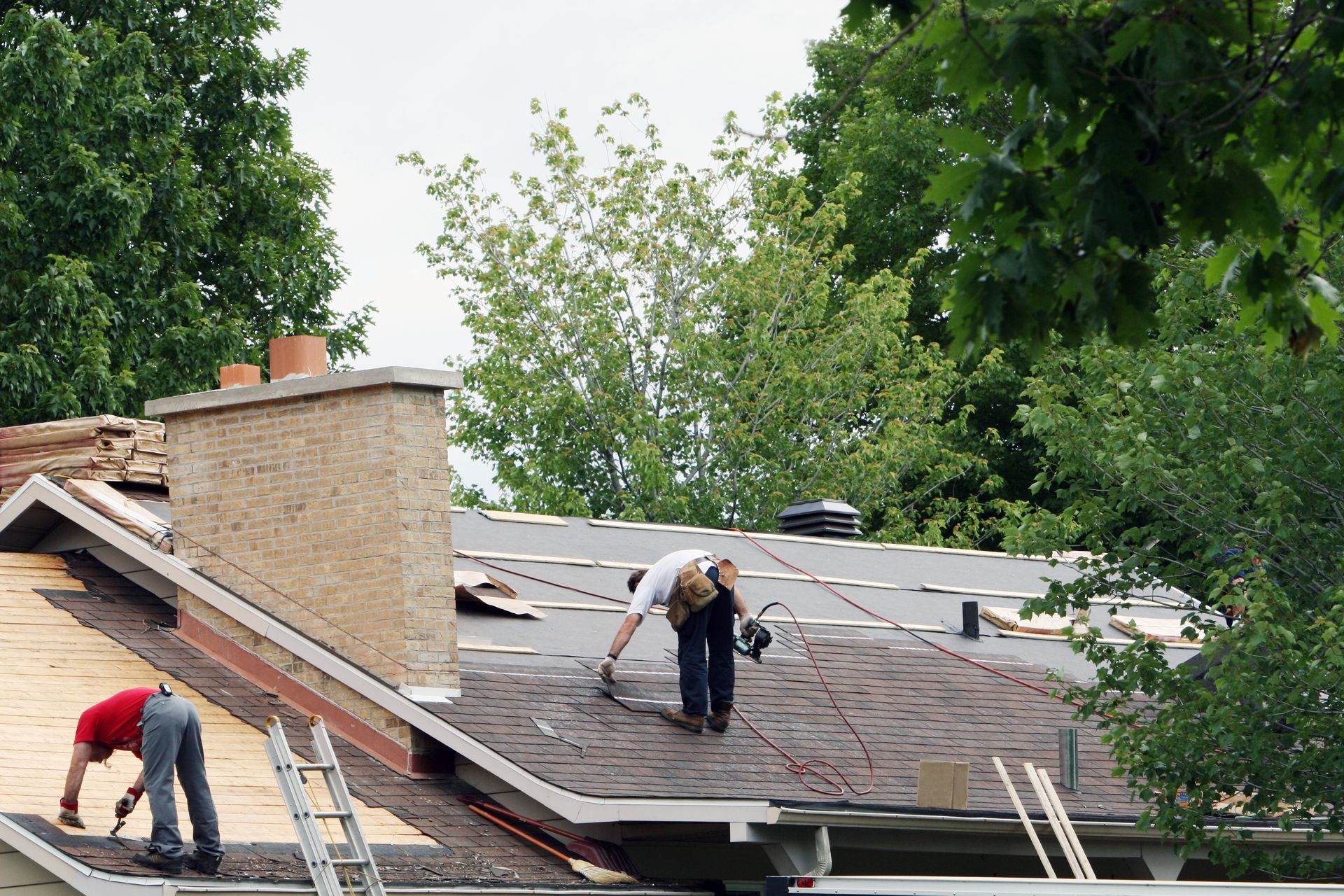
Homeowners insurance and roof repair in Columbus, OH, are closely connected topics that many Franklin County residents find confusing after a storm. This guide breaks down what Ohio homeowners insurance policies typically cover, what they exclude, how to file a claim, and what a roofing contractor can do to help. If you have had recent storm damage and need roof repair in Columbus, OH, understanding your policy now can save you significant time and stress later.
Does Homeowners Insurance Cover Roof Repair in Columbus, OH?
Standard homeowners insurance policies may cover roof repair when damage results from a sudden, accidental event. In Ohio, the most common covered perils include wind, hail, lightning, and falling objects such as tree limbs.
Franklin County has seen a notable pattern of severe weather in recent years. An EF1 tornado struck west of Hilliard in 2024 with winds reaching 110 mph and confirmed roof damage along its path. A second EF0 tornado touched down near Obetz in March 2025. Neighborhoods like Grandview Heights, Gahanna, and Groveport have also recorded quarter-size hail events in the past two years. For Columbus homeowners, storm-related roof damage is not a rare scenario.
Insurers look for evidence that damage was sudden and storm-related rather than the result of age or deferred maintenance. Most standard policies do not cover damage from normal wear and tear, deterioration caused by moss or rot, pre-existing unaddressed damage, or leaks caused by poor installation. The distinction between storm damage and wear can be difficult to judge alone, which is where professional documentation becomes critical.
What Do Insurance Adjusters Look for During a Roof Inspection?
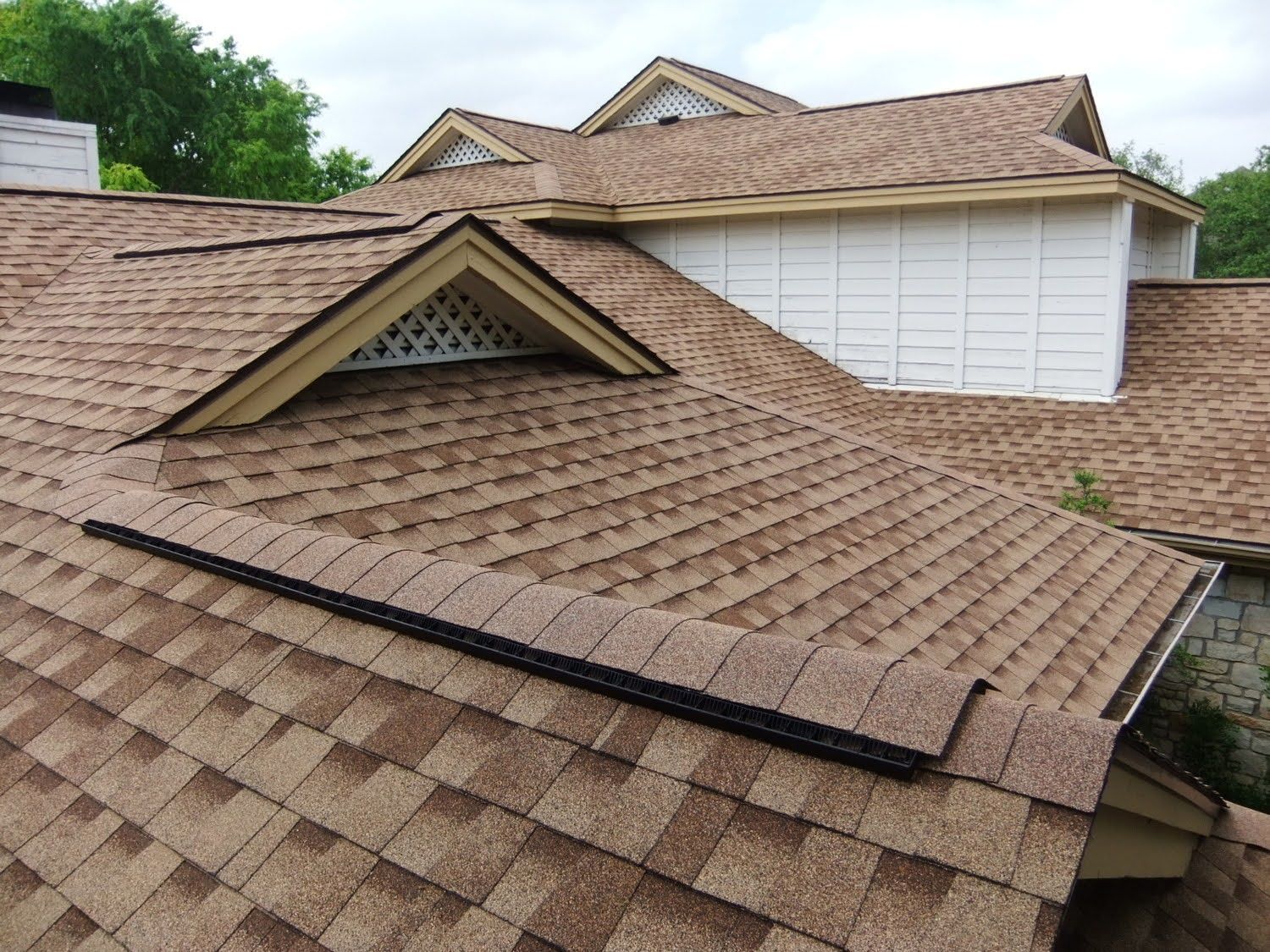
Adjusters look for specific physical evidence tying roof damage to a covered storm event. They typically assess granule loss on shingles indicating hail impact, bruising or soft spots where hail has struck, missing or lifted shingles consistent with wind damage, damage to flashing around chimneys and vents, and uniform damage patterns across a roof slope that suggest weather rather than isolated wear.
Adjusters may also note the roof's age, materials, and maintenance history. Older roofs with existing granule loss can complicate claims because isolating storm damage from general aging becomes harder. Columbus homeowners with roofs approaching or past the 20-year mark should document any storm event promptly.
What Is the Difference Between ACV and RCV Coverage?
Your policy may pay out based on actual cash value (ACV) or replacement cost value (RCV). ACV policies factor in depreciation, meaning you receive what your roof is worth today, not what it costs to replace it. RCV policies typically pay the full cost to restore your roof to pre-loss condition using comparable materials. Review your declarations page carefully to confirm which type of coverage you carry before filing a claim.
Will Filing a Claim Raise My Homeowners Insurance Premium?
A single weather-related claim may or may not affect your premium, depending on your insurer, your claims history, and Ohio state rules. Filing a claim is most worthwhile when damage is significant and clearly storm-related. Consulting a licensed public adjuster or your insurance agent before filing can help you decide whether a claim makes financial sense in your situation.
How to File a Homeowners Insurance Claim for Roof Damage in Columbus
Acting quickly after a storm is important because delays make it harder to link damage to a specific weather event. Here is a general step-by-step process:
1. Document visible damage with photos and videos from the ground as soon as it is safe.
2. Contact your insurance company to report the damage and open a claim.
3. Schedule a professional roof inspection to get an independent assessment before the adjuster visits.
4. Keep all receipts for emergency repairs made to prevent further water infiltration.
5. Review the adjuster's written estimate carefully and compare it to your contractor's scope of work.
6. Request a re-inspection or file a supplemental claim if damage is undercounted.
One of the most common mistakes Columbus homeowners make is waiting too long after a storm. Undetected hail or wind damage can allow water to infiltrate your attic and underlayment, turning a manageable repair into a much larger problem over time.
Can a Roofing Contractor Help With My Insurance Claim?
Yes. An experienced roofing contractor can photograph and document damage before you contact your insurer, provide a written and itemized repair scope, and meet with your adjuster on-site to walk through findings together. This professional documentation helps ensure the full extent of storm damage is captured in the claim rather than just what is visible at a glance.
Get Help With Storm Damage Roof Repair in Columbus, OH
If you are dealing with roof damage after a recent storm, schedule a professional inspection before your claim window closes. Brown's Roofing has served Columbus, OH, and surrounding Central Ohio communities for more than 30 years, helping homeowners navigate insurance claims with honest, documented assessments, no subcontractors, and no pressure. They offer free storm damage inspections and can work directly with your insurance adjuster to document the full scope of damage.
To schedule your free inspection, contact Brown's Roofing online or learn more about storm damage roof repair services. You can also call (614) 837-3280 to speak with the team directly.
For directions, hours, and reviews, visit the
Brown's Roofing Google Business Profile.