
What Does a Roof Inspection Include in Columbus, OH? A 2026 Homeowner's Guide
A professional roof inspection in Columbus, OH, covers far more than a quick glance at shingles, and this guide explains every step so homeowners know exactly what to expect. Whether you own a ranch home in Westerville, a colonial in Dublin, or a craftsman near German Village, your roof faces the same Central Ohio weather patterns year after year. Understanding this process can help you catch problems early, maintain your insurance coverage, and protect one of your biggest investments.
What Does a Roof Inspection Cover?
A thorough inspection examines both the outside and inside of your home's roofing system. Skipping either half leaves potential damage undetected. Here is what a qualified Central Ohio roofer typically checks from top to bottom.
Exterior Inspection Components
The exterior portion covers every surface and feature that weather can reach.
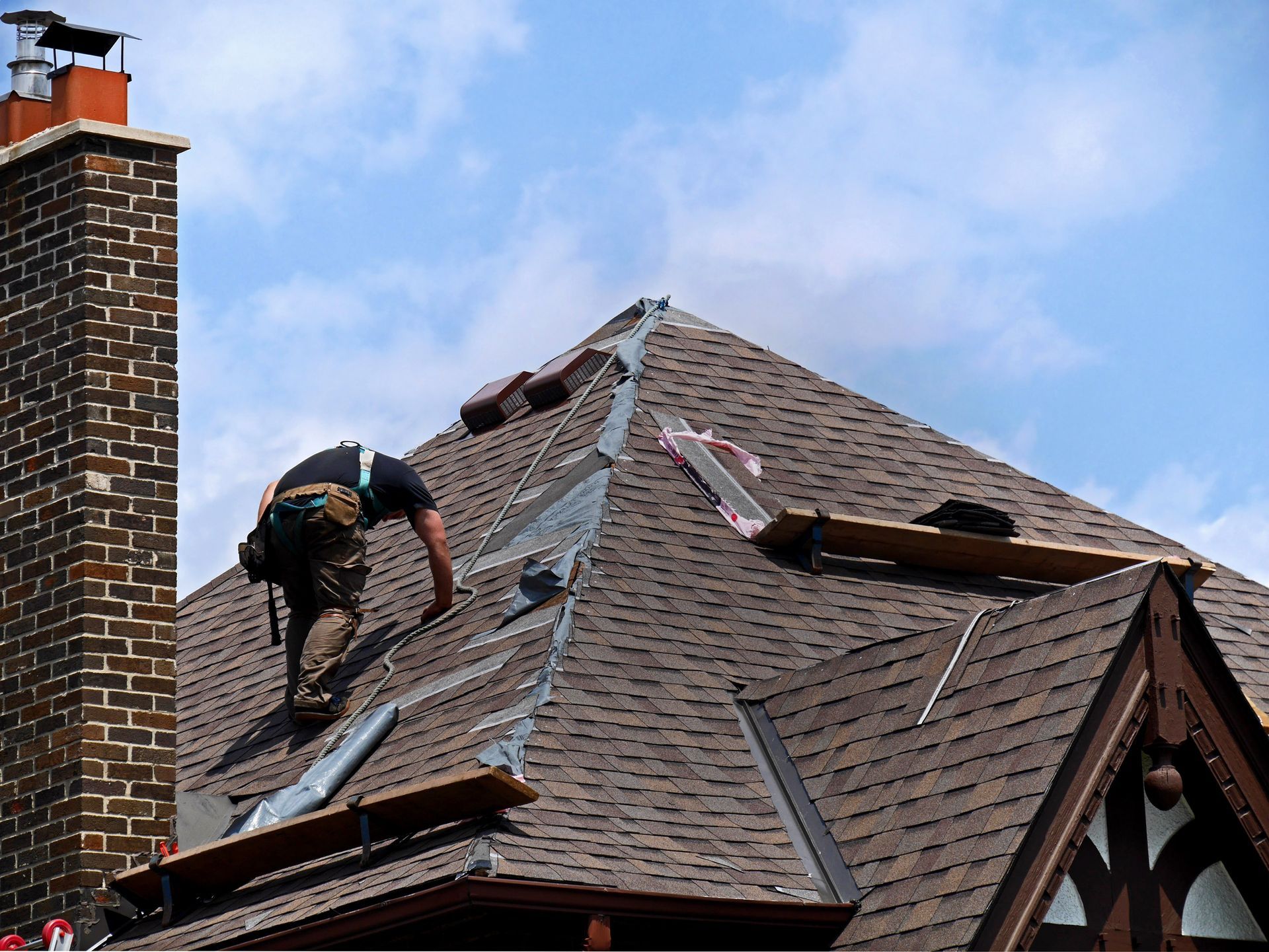
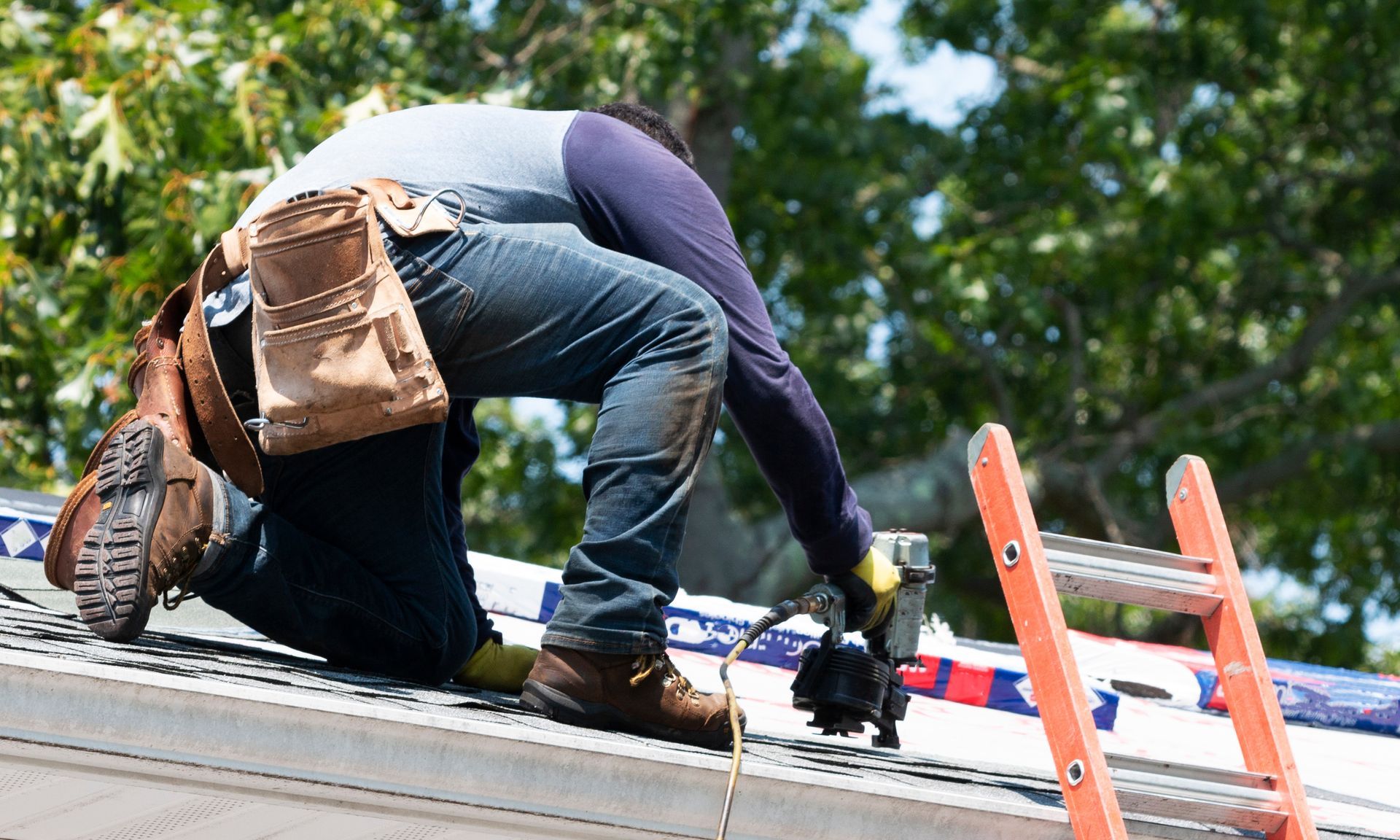
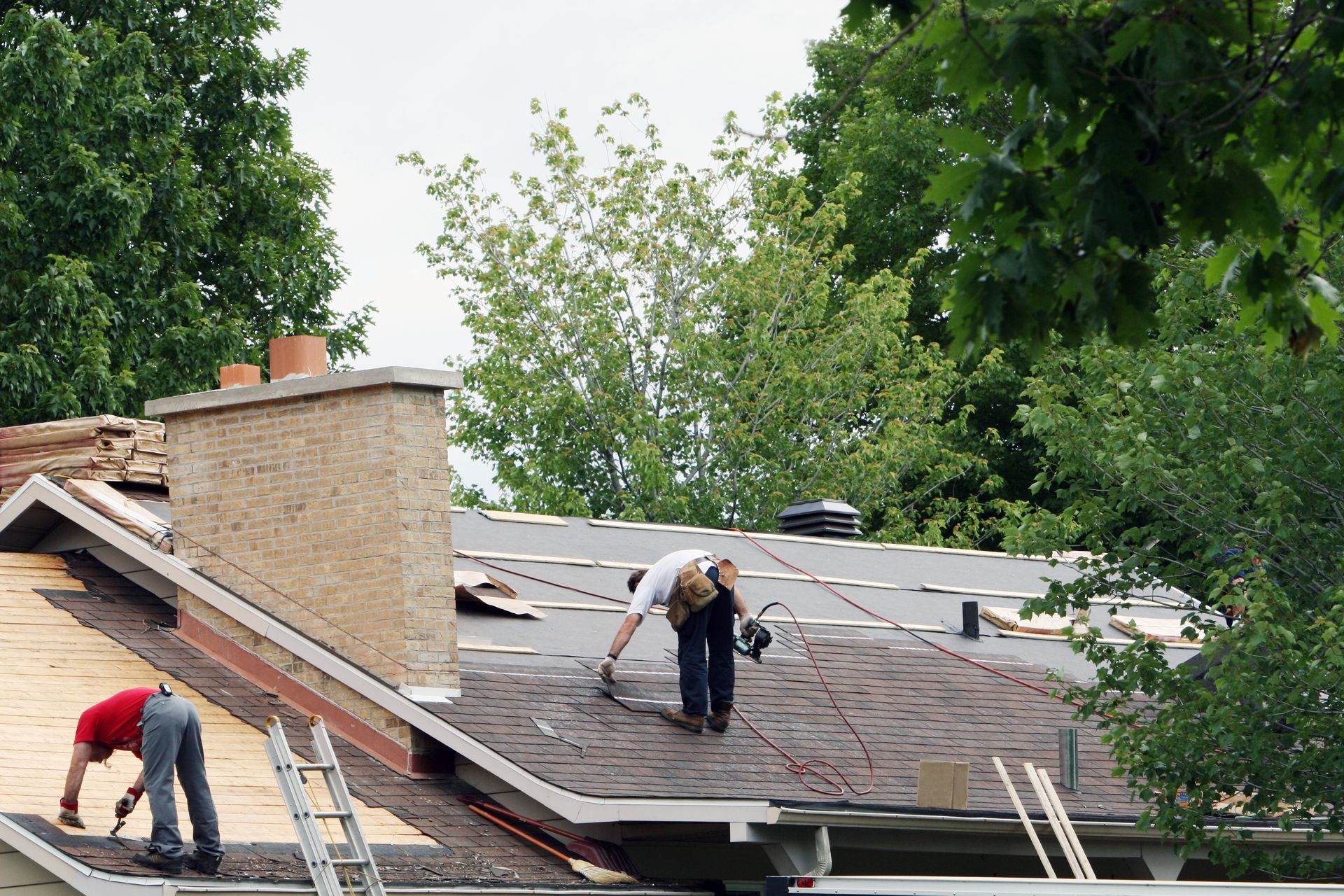
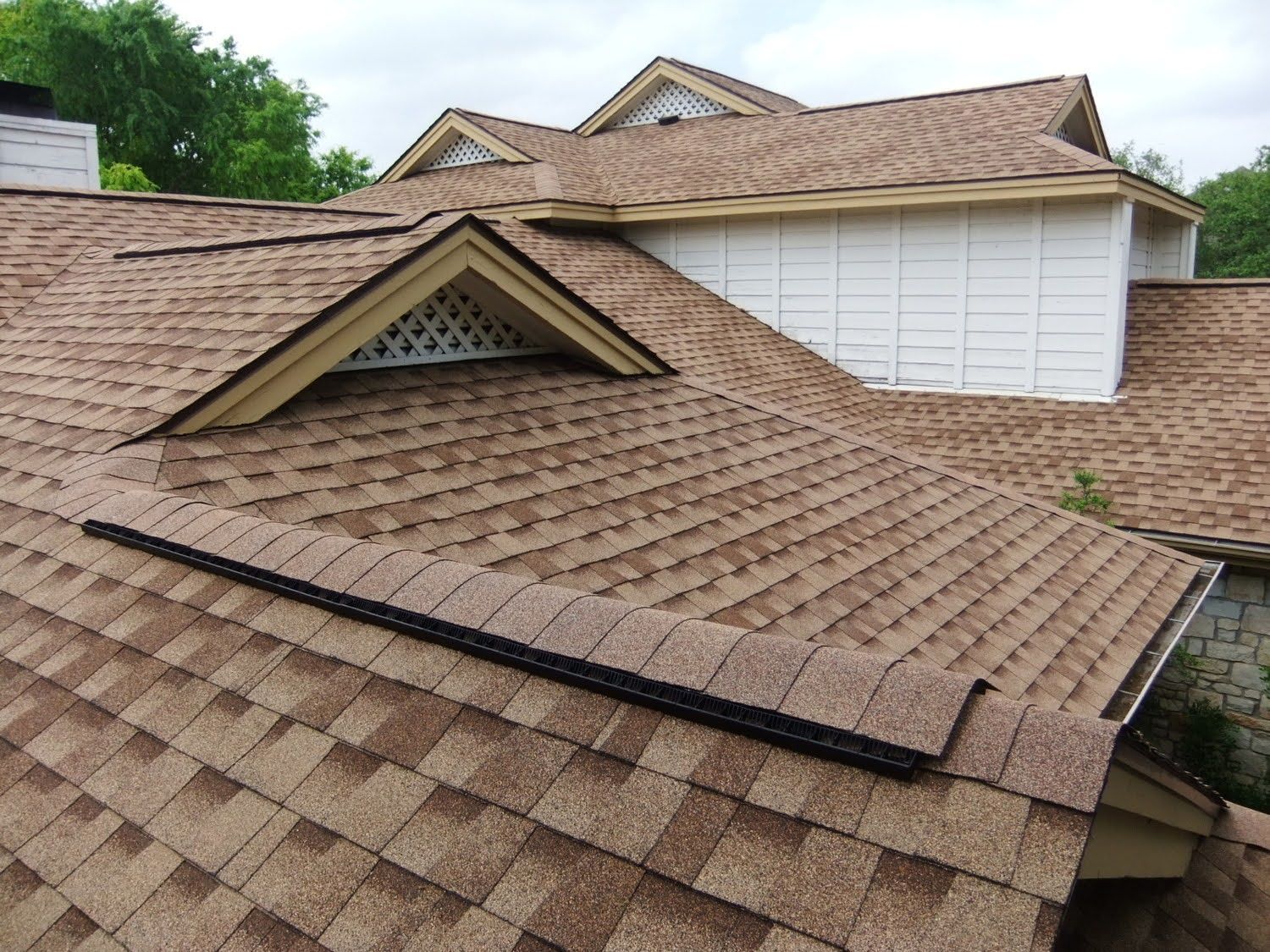
- Shingles: Inspectors look for cracked, curling, cupped, or missing asphalt shingles that leave decking exposed.
- Flashings: Metal flashings around chimneys, skylights, and pipe boots are checked for gaps, rust, or lifting that can allow water to enter.
- Ridgeline and valleys: The ridge cap and roof valleys are examined for wear, open joints, or granule loss that signals aging materials.
- Fascia and soffits: Wood rot, pest entry points, and damaged soffit panels are documented because they affect ventilation and structural support.
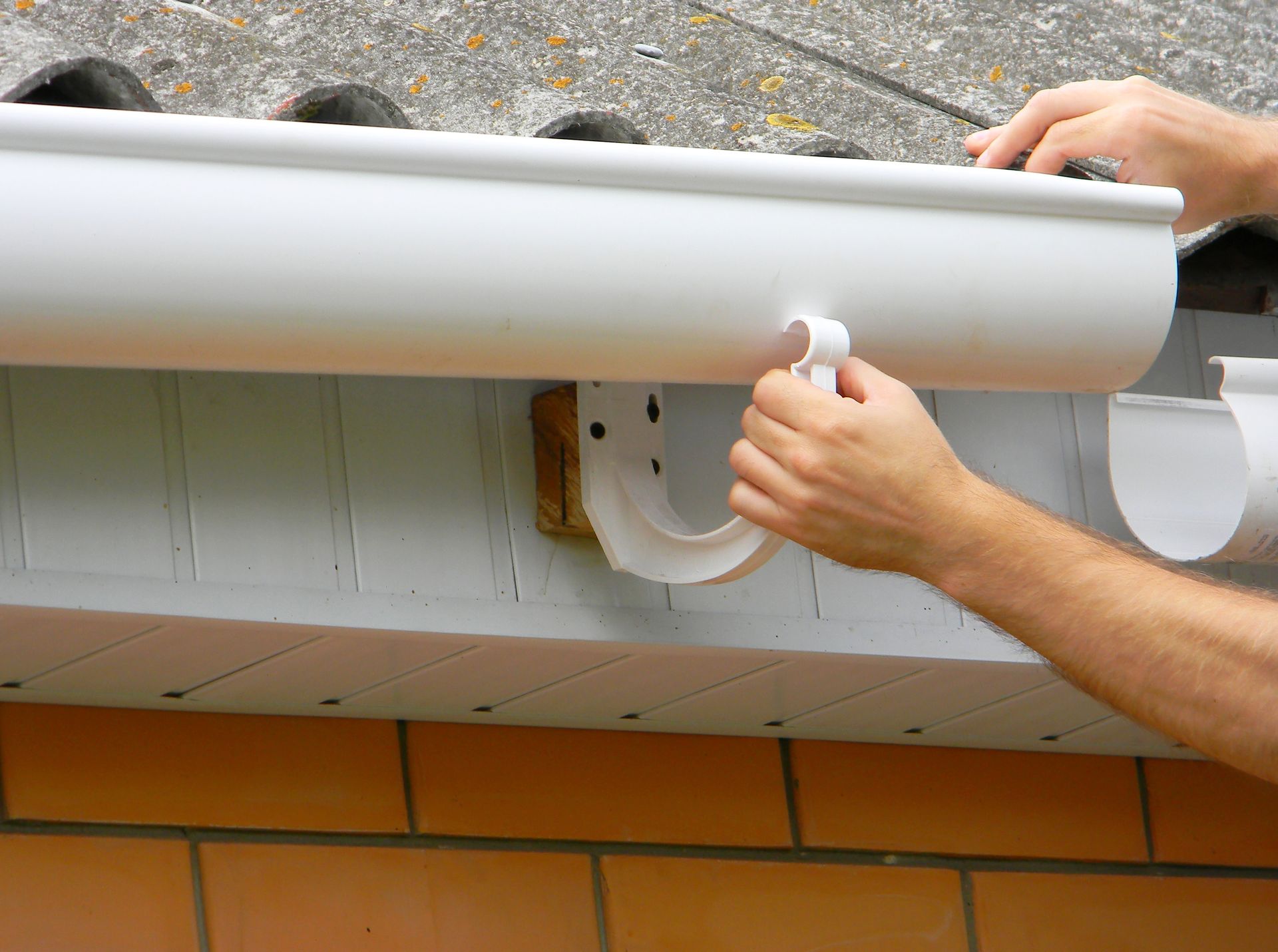
- Gutters and downspouts: Inspectors check for loose hangers, sagging sections, granule buildup in gutters (a sign of shingle wear), and downspouts that drain too close to the foundation.
- Chimney and penetrations: Mortar condition, flashing integrity, and any cracked masonry around chimney crowns are noted.
Interior Inspection Components
The interior inspection often reveals damage that is invisible from the rooftop.
- Attic sheathing: Inspectors look for water stains, soft spots in the decking, and mold or mildew growth that point to an active or past leak.
- Insulation: Wet or compressed insulation loses its ability to regulate temperature and may indicate ongoing moisture intrusion.
- Ventilation: Proper airflow through ridge vents, soffit vents, and attic fans is evaluated because poor ventilation accelerates shingle deterioration from the inside out.
- Rafters and structural members: Any bowing, cracking, or moisture damage in structural wood is flagged as a potential safety concern.
How Often Should Columbus Homeowners Schedule a Roof Inspection?
Most roofing professionals recommend at least one professional inspection per year, plus additional checks after major weather events. Columbus, OH, sits in a climate zone that delivers freeze-thaw cycles through the winter, hail-producing thunderstorms in spring and summer, and high winds during fall. That combination can accelerate wear on asphalt shingle roofs faster than homeowners in milder climates might expect.
A practical schedule for Central Ohio homeowners looks like this:
- After every significant hail or wind event, regardless of whether visible damage is obvious.
- Each spring, to identify damage from ice dams, freeze-thaw expansion, or heavy snow loads from the previous winter.
- Each fall, to confirm the roof is sealed and ready before temperatures drop.
- When buying or selling a home, to establish the current condition before closing.
Columbus neighborhoods like Clintonville, Bexley, and Hilliard contain a large share of homes built between the 1950s and 1980s. Roofs on older homes may need more frequent evaluation, especially if the original decking or framing has never been replaced.
How a Roof Inspection Supports Your Insurance Claim
A documented inspection can be one of the most valuable steps you take before filing a storm damage claim. Insurers in Ohio typically require proof that damage resulted from a covered event, such as hail or wind, rather than from deferred maintenance. A professional written report with photographs gives you that documentation from day one.
A roofer familiar with the Columbus market can photograph and note all visible damage, provide a written scope of findings, and meet with your insurance adjuster on-site to walk through the damage together. This approach helps ensure your claim reflects the full extent of repairs needed rather than just what an adjuster spots during a brief visit.
Ohio homeowner policies generally cover sudden storm damage but not gradual wear, so timing matters. The sooner an inspection documents the condition of your roof after a storm, the stronger your claim record becomes.
What Happens If I Skip an Inspection After a Storm?
Undetected damage compounds over time. A small crack in flashing can allow water to travel into decking and insulation before a leak ever appears on your ceiling. By the time interior damage shows, repair costs are typically much higher than they would have been if the issue had been caught early.
Is a Free Roof Inspection Worth It?
Free inspections offered by licensed, insured contractors can provide the same thorough evaluation as paid inspections. The key is confirming the contractor is licensed and insured in Ohio and performs in-house work rather than subcontracting the job. A no-pressure written estimate after the visit lets you compare your options before committing to any repair.
Ready to Schedule Your Free Roof Inspection in Columbus, OH?
This service in Columbus, OH, is one of the simplest ways to protect your home and your insurance coverage year-round. Brown's Roofing has served homeowners throughout Columbus and Central Ohio for more than 30 years as a licensed, bonded, and insured contractor that never uses subcontractors. Free, no-obligation inspections are available for storm damage and routine evaluations alike.
Call
(614) 837-3280 to schedule your free inspection, or
request a quote online. You can also learn more about
storm damage roof repair and the free inspection process to know what to expect before your appointment.