
Seasonal Roof Inspection and Maintenance: Protecting Your Home Year-Round
Regular roof inspection is one of the most effective ways to protect your home and avoid expensive repairs. Ohio weather can be rough on residential roofing, and for homeowners in Lancaster, OH, and the broader Fairfield County area, knowing what to check each season can mean the difference between a small fix and a major replacement. This guide walks through a practical, season-by-season maintenance plan so your roof stays in solid shape year-round.
Why Seasonal Roof Inspections Matter for Ohio Homeowners
Ohio's climate puts roofs through a full workout every year. Lancaster sits in Fairfield County, where homeowners deal with cold, snowy winters, spring thunderstorms, humid summers, and windy fall conditions. Each season creates its own stress points on shingles, flashing, and underlying decking. Catching small problems early typically costs far less than addressing water damage or structural issues later.
Spacing inspections across the year, with extra visual checks after any significant storm, keeps small issues from going unnoticed.
What Should You Check Each Season?
Spring: Assess Winter's Impact
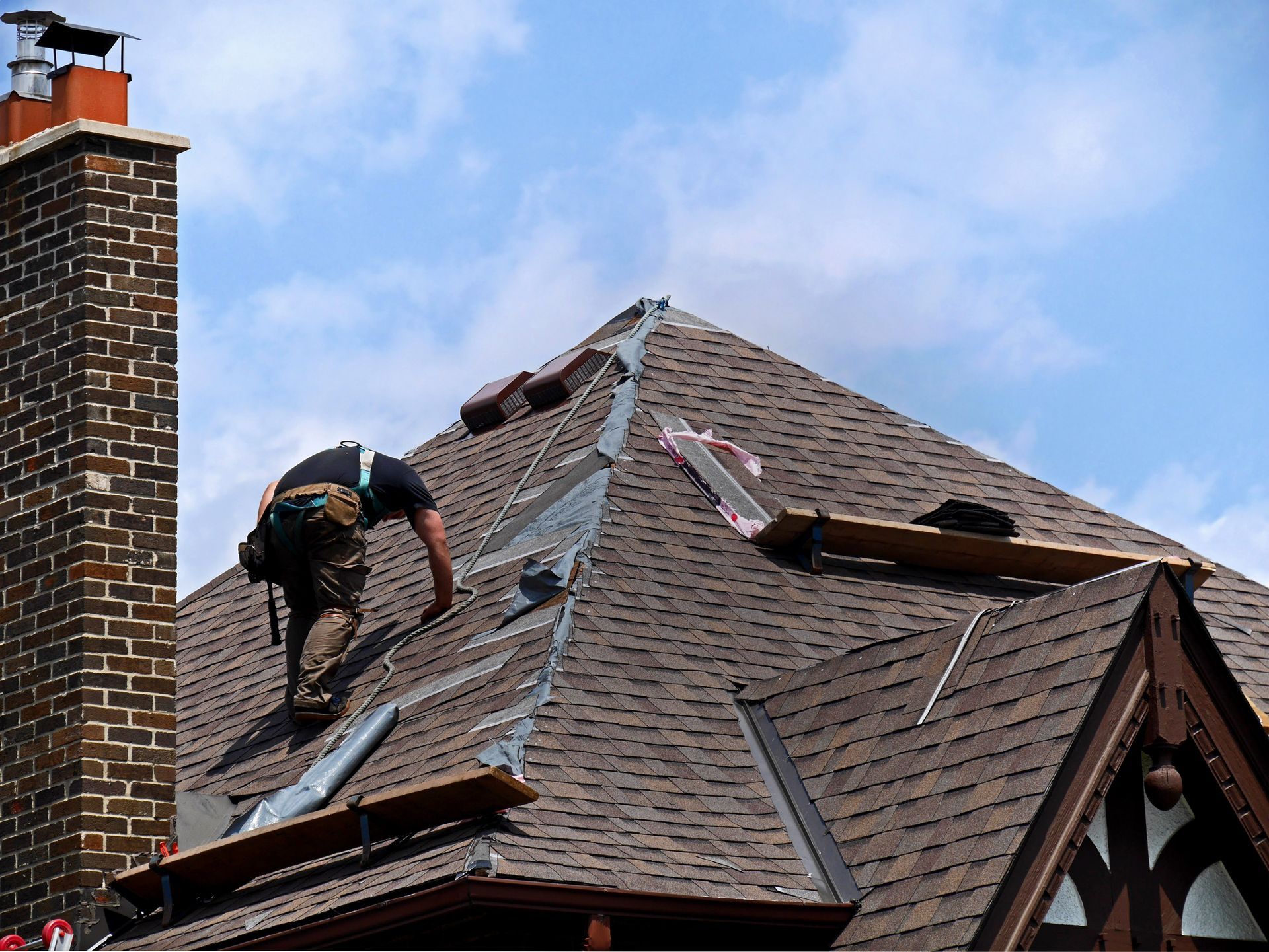
Spring is the most important time to schedule a professional roof inspection in Lancaster. After months of ice, snow, and freeze-thaw cycles, shingles can crack, curl, or lose granules. Flashing may have shifted, and caulking can shrink and fail.
Key areas to review in spring:
- Check shingles for cracking, curling, or missing sections.
- Inspect flashing around chimneys, skylights, and pipe boots for gaps or rust.
- Look in the attic for daylight, moisture stains, or soft spots on the decking.
- Examine fascia boards and soffits for rot or animal entry points.
If your home experienced ice dams over the winter, have a professional assess whether moisture worked its way under the shingles. Even small amounts of water intrusion can cause mold and rot over time.
Summer: Focus on Ventilation and Heat Damage
Summer in Fairfield County can bring sustained heat and high humidity. Poor attic ventilation can cause shingles to blister and age prematurely, and drive up cooling costs.
During summer, look for:
- Blistering or bubbling on shingle surfaces.
- Granule buildup in downspout drainage areas, which may signal shingle breakdown.
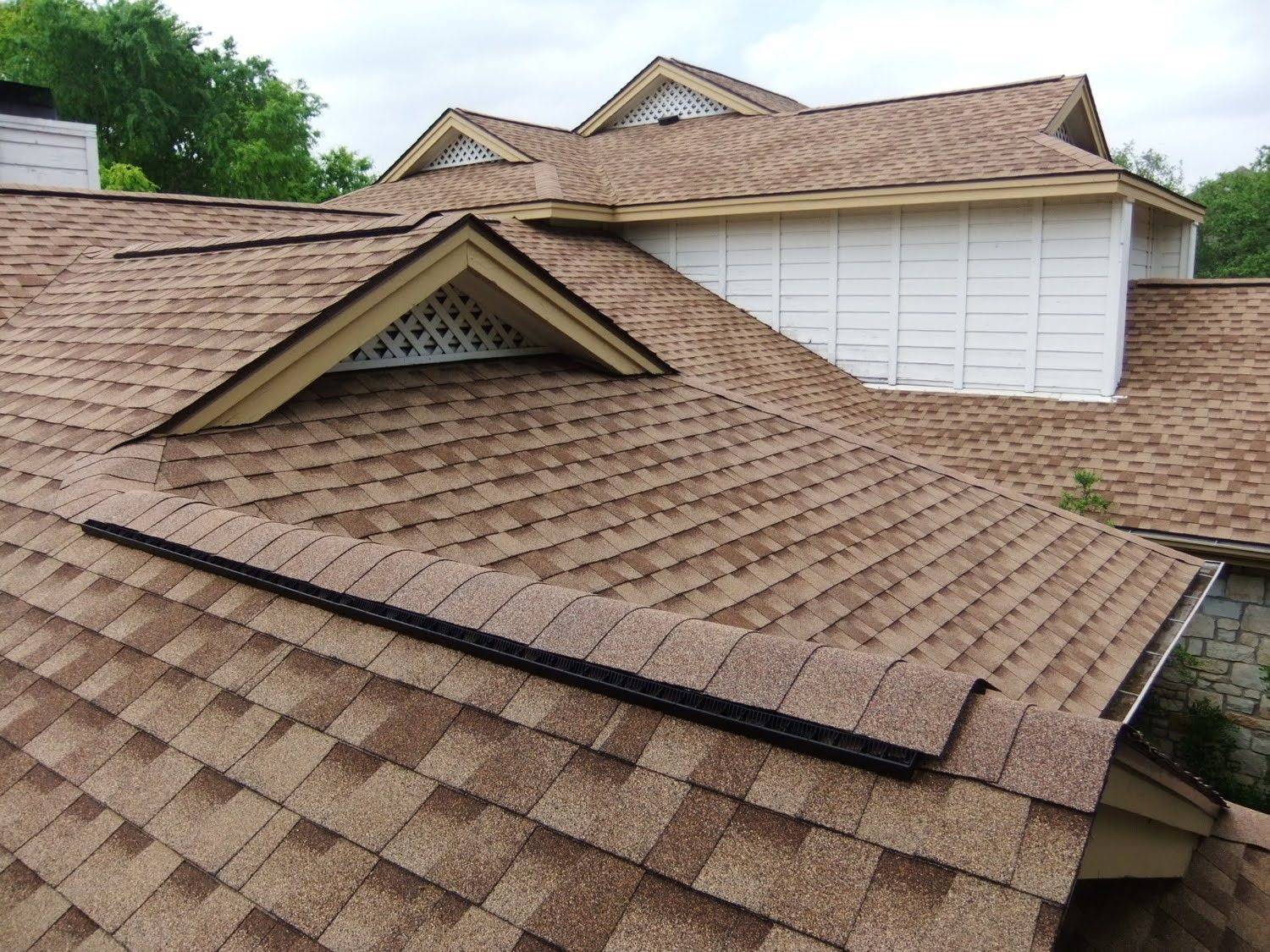
- Gaps or cracks in ridge vents or soffit vents that reduce airflow.
- Wasp or bird nesting near eaves or vents.
Summer is also a good time to trim back tree branches that hang close to the roof. Branches can scrape shingles during storms and deposit debris that holds moisture against the surface.
Fall: Prepare Before Winter Arrives
Fall is the last chance to address vulnerabilities before cold weather sets in. Leaves and debris can accumulate in roof valleys, trapping moisture and accelerating shingle wear. Flashing and sealants should be checked and refreshed before freezing temperatures make repairs more difficult.
Fall maintenance priorities:
- Clear debris from roof valleys and low-slope areas to improve drainage.
- Check sealant around all roof penetrations and reapply where needed.
- Inspect attic insulation to reduce the risk of ice dams forming in winter.
- Look for lifted or loose shingles before wind events arrive.
Catching a raised shingle in October is far simpler than dealing with a leak in January.
Winter: Watch for Ice Dams and Hidden Damage
Winter requires more observation than active maintenance, since walking on a snowy or icy roof is not safe. The primary concern is ice dam formation, which occurs when heat escapes through the roof deck, melts snow, and causes water to refreeze at the eaves, forcing moisture under shingles.
Warning signs to watch for from inside during winter:
- Water stains appearing on upper-level ceilings or exterior walls.
- Icicles forming along the eave line, indicating poor insulation or ventilation.
- Musty odors developing in attic spaces.
If any of these appear, document them and schedule a professional assessment as soon as conditions safely allow.
When Should You Call a Professional for a Roof Inspection?
Consider calling a licensed roofer after any major hail or wind event, before buying or selling a home, when a roof is more than 15 years old, or any time interior water stains appear.
DIY visual checks from the ground can help spot obvious issues, but a trained eye catches problems that are easy to miss, such as micro-cracks in flashing or early granule loss on asphalt shingles.
Frequently Asked Questions
How Often Should a Homeowner Schedule a Roof Inspection?
Most roofing professionals recommend a formal inspection at least twice per year, typically in spring and fall. Additional checks after major storms are advisable, especially in areas with frequent hail or high winds like Fairfield County.
Can a Homeowner Inspect the Roof From the Ground?
A basic visual check can reveal obvious damage like missing shingles, sagging areas, or damaged flashing. However, a ground-level look cannot catch all issues. A licensed inspector can safely access the roof surface and attic to identify hidden moisture damage, weakened decking, or ventilation problems.
What Happens if a Homeowner Skips Annual Roof Maintenance?
Skipping routine maintenance allows small issues to develop into costly repairs. Water intrusion can damage insulation, attic framing, and interior drywall before it becomes visible. Regular seasonal checks help catch problems while they are still manageable and affordable to address.
Protect Your Home Year-Round With the Right Roofing Partner
Staying on top of seasonal maintenance is one of the smartest investments a homeowner can make. A consistent routine helps extend roof life, protect your home's interior, and avoid surprise repair costs.
For homeowners in Lancaster, OH, Brown's Roofing brings more than 30 years of experience to every project, using only in-house crews and never subcontractors. To schedule your free, no-obligation roof inspection, contact us today.